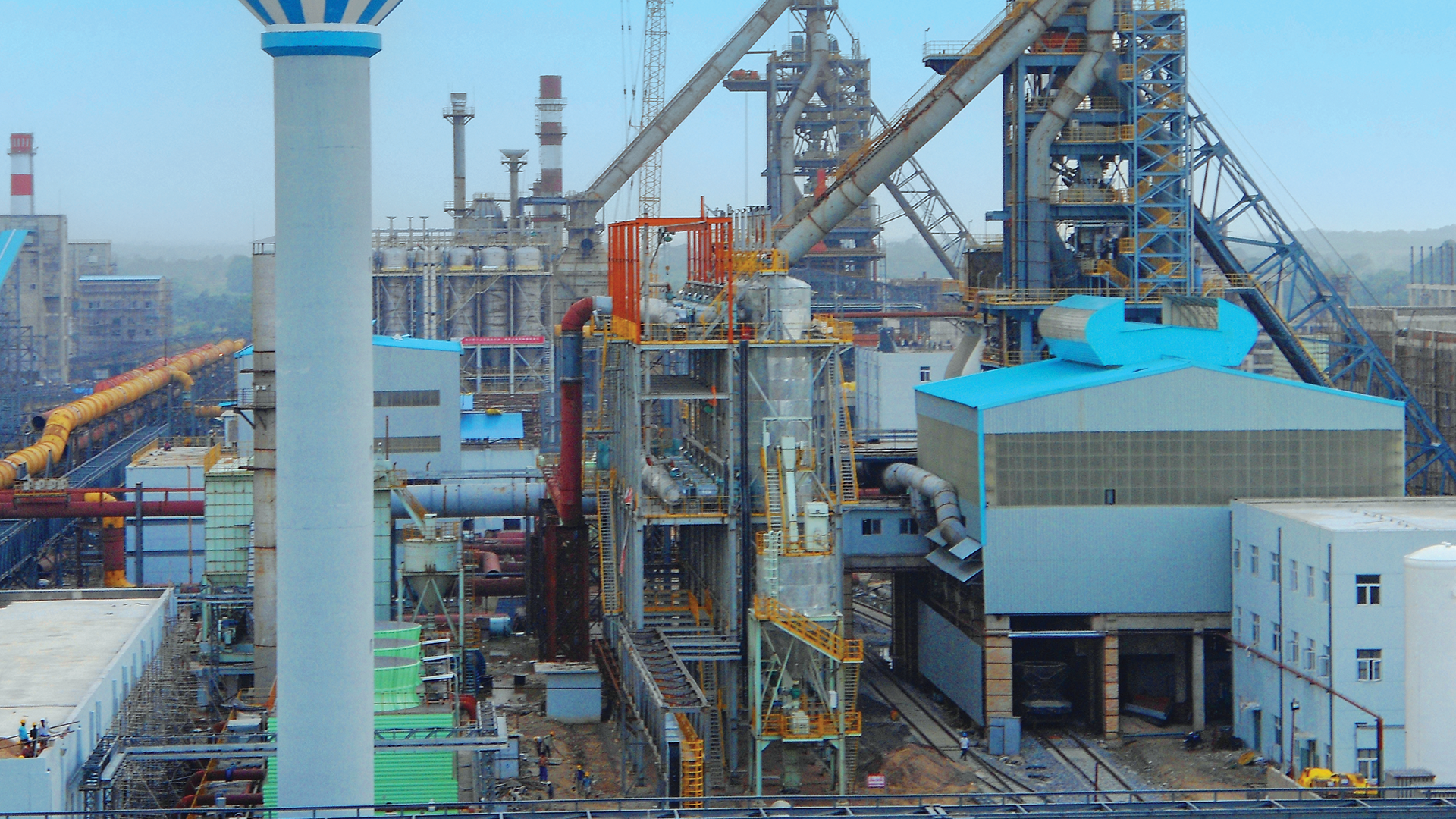
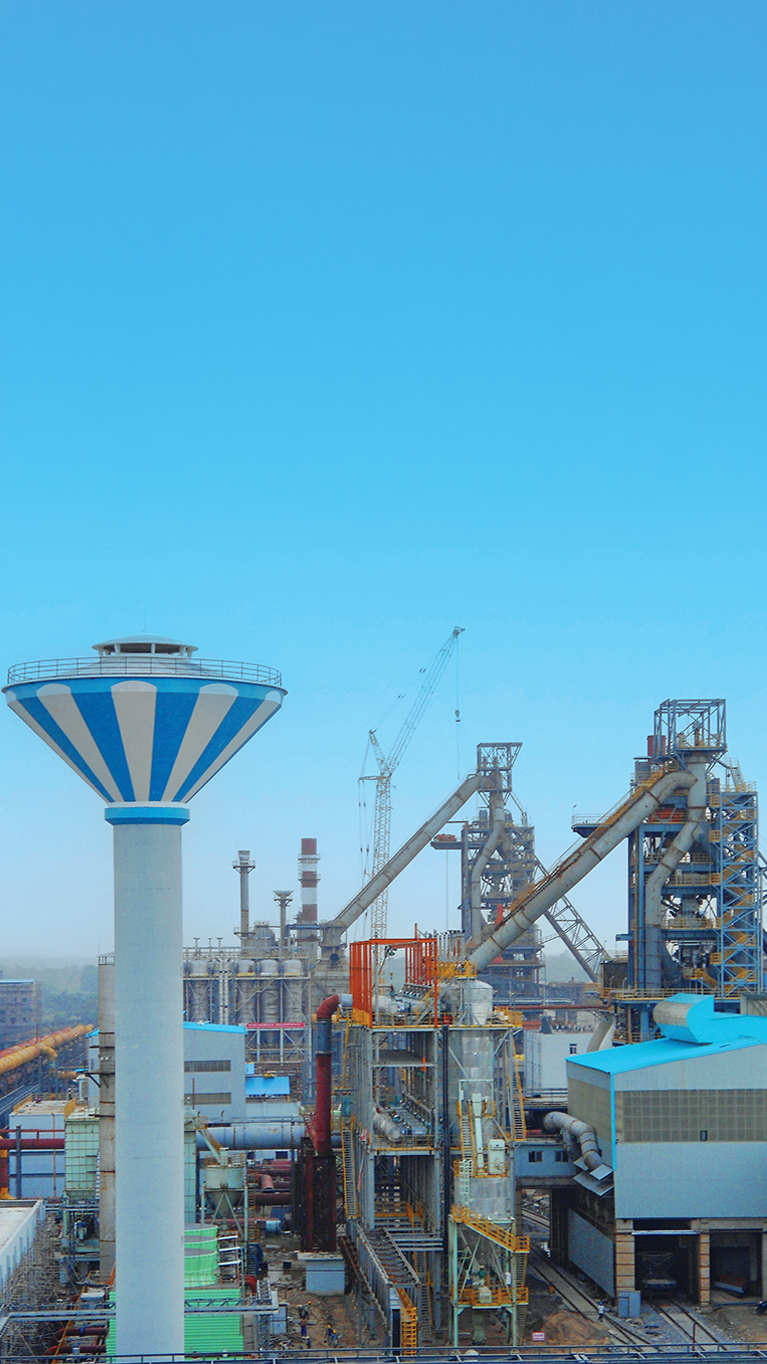

ESL Steel Limited or ESL is an integrated steel plant situated in Bokaro, Jharkhand, with a design hot metal capacity of 3.5 MTPA. Its current operating hot metal capacity is 1.5 MTPA with a diversified product portfolio of Wire Rod, Rebar, DI Pipe and Pig Iron which are sold across key sectors such as construction, infrastructure, transportation and energy.
ESL achieved hot metal production of 1.384 million tonnes down 3% Y-o-Y and saleable production of 1.301 million tonnes down 3% Y-o-Y primarily due to the maintenance activities in one of the furnaces and subdued demand in the DI pipe segment. Also, achieved the highest-ever annual production of Billet, TMT and Wire Rod in the history of ESL.
Safety is a top priority at ESL and is embedded in every layer of our operations. We consistently invest in training, strong safety systems, and real-time monitoring to protect our employees, business partners, and surrounding communities. By upholding strict protocols and encouraging a proactive safety mindset across the organisation, we go beyond regulatory compliance to build a culture where every individual takes responsibility for safe operations. This unwavering commitment not only safeguards lives and assets but also reinforces trust, strengthens work discipline, and supports long-term business sustainability.
Below are the few safety and health-related projects undertaken to improve safety culture in our organisation:
| Particulars | FY 2025-26 | FY 2024-25 | % Change |
|---|---|---|---|
| Production (kt) | 1,301 | 1,337 | (3%) |
| Pig iron | 192 | 221 | (13%) |
| Billet | 64 | 43 | 48% |
| TMT bar | 525 | 489 | 7% |
| Wire rod | 445 | 413 | 8% |
| Ductile iron pipes | 75 | 171 | (56%) |
Production of saleable product for the year was 1,301 kt, down by 3% Y-o-Y, mainly on account of maintenance in one of the furnaces and subdued demand in the DI pipe segment. Value-added production has largely remained flat at 80%. Although achieved the highest-ever annual production of Billet, TMT and Wire Rod.
In FY 2025-26, coking coal prices softened, while iron ore prices saw a marginal uptick. Improved fuel efficiency further supported a reduction in cost of sales. However, sales volumes and market prices remained under pressure due to subdued demand in the DI pipe segment and the prolonged, early monsoon.
Our priority remains to enhance production of value-added products viz. Rebar, Wire Rod and DI Pipe and hence improve margins.
| Particulars | FY 2025-26 | FY 2024-25 | % Change |
|---|---|---|---|
| Average steel price (US$ per tonne) | 519 | 586 | (11%) |
Average sales realisation for the year was US$ 519, down by 11% Y-o-Y mainly due to softer steel prices in the domestic market, an unfavourable product mix caused by a decline in demand in the DI Pipe business and the impact of adverse currency movements.
Steel prices continue to be influenced by a broad set of macroeconomic and sectoral factors. These include global economic conditions, geopolitical developments, changes in import and export duties, supply-chain destocking, government expenditure on infrastructure and development projects, demand-supply balance, the Purchasing Managers’ Index (PMI) in India, and production as well as inventory levels in major steel‑producing regions, particularly China.
| Particulars | FY 2025-26 | FY 2024-25 | % Change |
|---|---|---|---|
| Steel (US$ per tonne) | 503 | 540 | (7%) |
Cost for the year was US$ 503 per tonne, down by 7% Y-o-Y primarily supported by softer coking coal prices and sustained improvements in operational efficiencies. However, there has been substantial increase in losses from iron ore mines.
(₹ crore, unless stated)
| Particulars | FY 2025-26 | FY 2024-25 | % Change |
|---|---|---|---|
| Revenue | 7,304 | 7,928 | (8%) |
| EBITDA | 164 | 522 | (69%) |
| EBITDA margin | 2% | 7% |
Revenue for the year stood at ₹ 7,304 crore, a 8% decline Y-o-Y, driven primarily by lower sales volumes and weaker realisations. EBITDA for FY 2025-26 was ₹ 164 crore, compared to ₹ 522 crore in FY 2024-25, reflecting the impact of lower volume, decline in market demand for DI Pipe, lower sales realisation and substantial increase in losses from Mines to ₹ 136 crore in FY 2025-26 (₹ 19 crore in FY 2024-25).
Regarding renewal of Consent to Operate (CTO) for the steel plant at Bokaro, please refer to ‘Note 3(c) Significant accounting estimates and judgements’ of the consolidated financial statements.
India’s steel demand is projected to remain robust, supported by sustained momentum across core consuming sectors such as infrastructure, construction, housing, automobiles and engineering. The World Steel Association forecasts a 9% annual growth in India’s steel consumption through 2025 and 2026, driven primarily by large-scale public capex and accelerating urban development.
Further, the Union Cabinet’s recent decision to extend and restructure the Jal Jeevan Mission (JJM) until December 2028 with an enhanced outlay of ₹ 8.69 lakh crore – strengthens demand visibility for DI pipes.
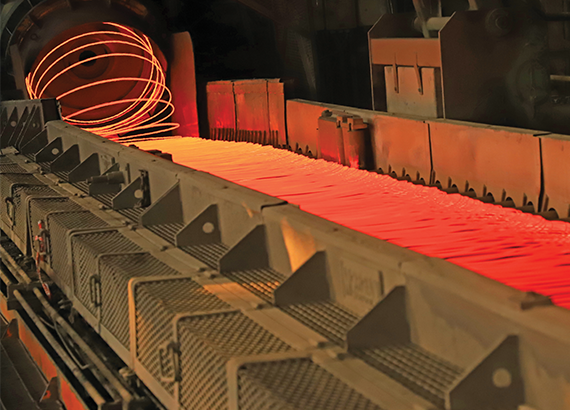
In this favourable environment, ESL remain committed to expanding our hot metal capacity from 1.5 MTPA to 3.5 MTPA by FY 2026-27 and downstream expansion in further years. This strategic capacity enhancement aligns with our vision to become a high grade, low cost steel producer, operating with the highest standards of environment, health and safety, while serving India’s growing requirement for quality steel products.


