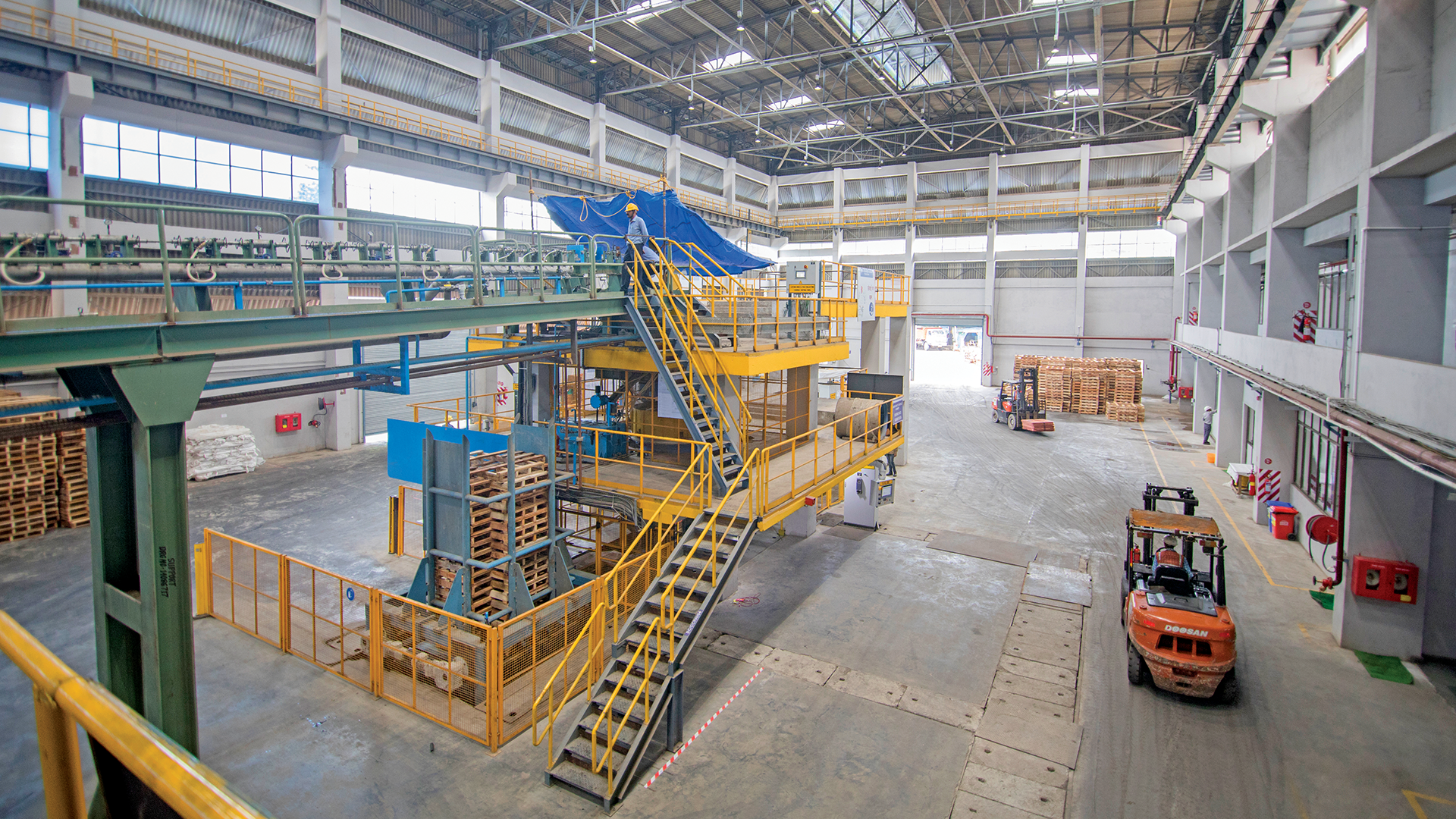
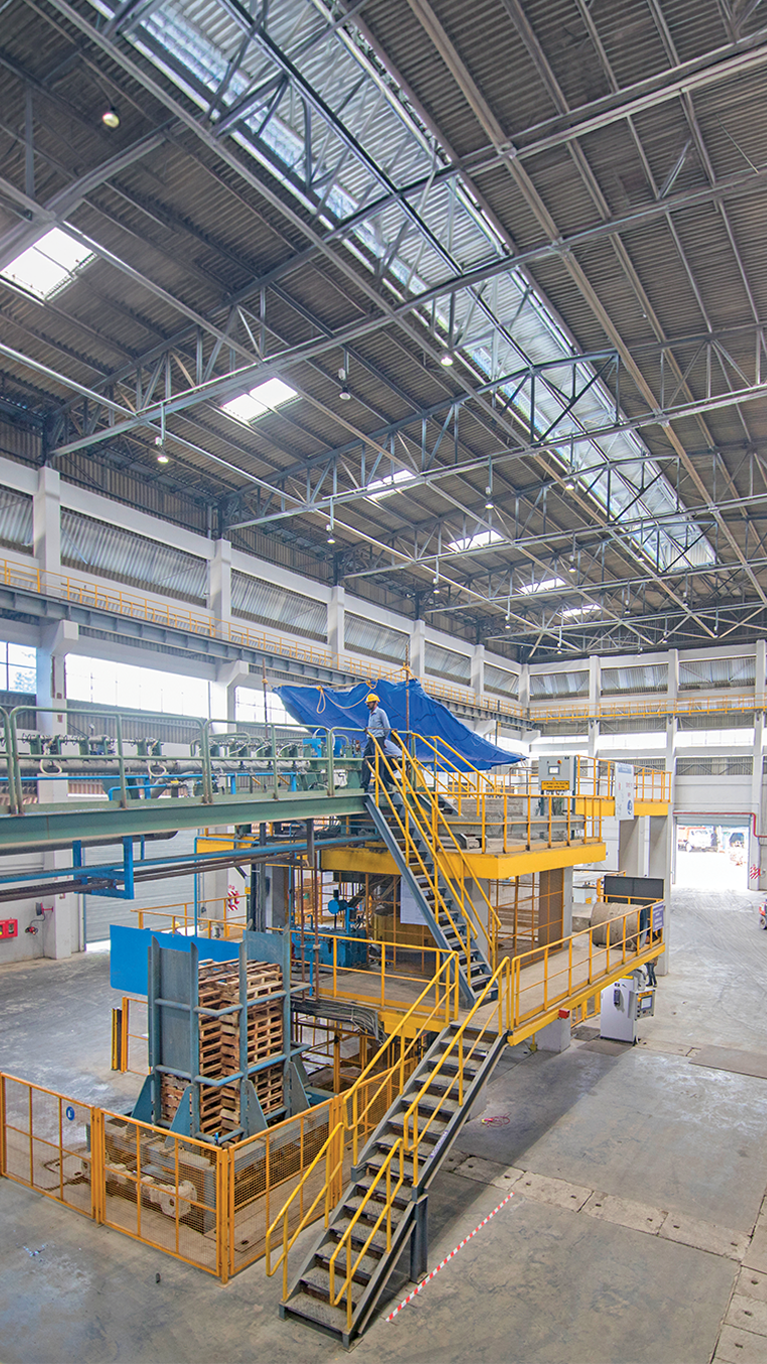

Silvassa operations continued to deliver growth in Cathode production volume despite temporary disruptions in Q3 of the year on account of raw material availability.
The copper smelter plant at Tuticorin was under shutdown for the whole of FY 2025-26. The company filed a PIL before the Madras High Court seeking to demolish the Copper Smelter Plant and restore the site to its previous state by remediating the environment. The matter is tagged with the Writ Petition seeking directions for considering the Green Copper Proposal by the state.
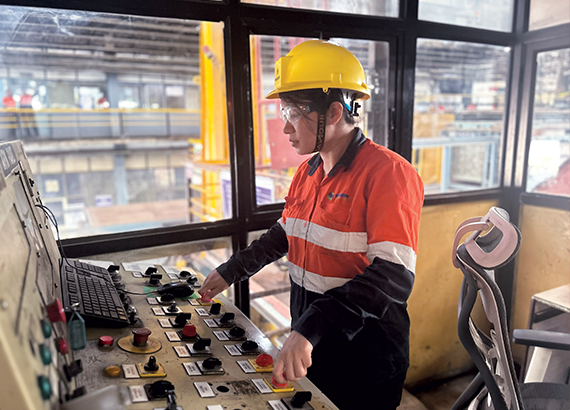
The year saw a significant improvement in safety performance, driven by stronger engineering controls, behavioural initiatives, and enhanced digital and management systems. Proactive risk reporting increased by 61% Y-o-Y, supported by over 25,000 hours of safety training and a threefold improvement in training effectiveness.
Operational discipline strengthened through full implementation of all 14 PSM pillars, optimisation of PPE availability via a VMI model, and a 56% rise in recognition of safe behaviours. Targeted engineering upgrades – including a 275° intrusion detection camera in the CCPP charging area and back door panel interlocks on HT panels – further enhanced workplace safety.
Supervision and wellbeing improved with the deployment of female Night Duty Officers, 100% compliance in medical examinations, and preventive screenings such as 2D Echo and TMT for personnel aged 40+.
Collectively, these actions underscore Copper India’s commitment to proactive risk management, zero harm, and embedding safety as a core organisational value.
During the year, Copper India made strong advances in its low carbon and resource efficient operations agenda. Renewable energy usage increased significantly, with RTC renewable power meeting over half of plant demand and reducing Scope 2 emissions by more than 50% during supply periods. A comprehensive energy audit further identified targeted opportunities to enhance efficiency and lower emissions.
The Company strengthened responsible sourcing and product transparency by securing RMAP certification for FY 2025-26, completing a Life Cycle Assessment, and publishing India’s first EPD for a copper producer. Water stewardship improved with the complete elimination of groundwater use in rod plant operations. Additional initiatives included expanding the greenbelt by 3.5 acres and implementing chemical container take back systems to promote circularity.
Together, these efforts highlight Copper India’s integrated approach to decarbonisation, circular resource management, responsible sourcing, and environmental governance – reinforcing its commitment to Zero Harm and establishing it as a future-ready, responsible metals producer.
The Company accelerated its digital transformation journey through multiple first of their kind initiatives aimed at improving efficiency, quality, and safety.
A Digital Twin for Tank House operations was introduced, enabling real-time monitoring, predictive analytics, and energy optimisation to enhance operational performance. An AI-driven Smart Fuel Optimisation Model was deployed to regulate furnace burner operations more efficiently, resulting in reduced PNG consumption and improved energy usage.
To strengthen quality systems, the Company implemented an Integrated Quality Management Framework across the copper value chain, driving structured RCA-CAPA practices and lowering internal rejection rates.
Additional digital initiatives included AI enabled safety surveillance, IoT-based vibration monitoring for critical equipment, RFID-based material tracking for real-time inventory visibility, and AI-powered traffic management and safety systems. Together, these initiatives support greater reliability, operational discipline, and a stronger safety culture.
| Particulars | FY 2025-26 | FY 2024-25 | % Change |
|---|---|---|---|
| Production (kt) | |||
| India – cathode | 170 | 149 | 14% |
| Sales (kt) | 204 | 192 | 7% |
Copper production in Silvassa increased by 14% to 170 kt which is highest-ever production post closure of the Tuticorin unit. The increase in production volume largely driven by improved operational efficiencies through digitalisation and debottlenecking. Sales volume have increased by 6% to 204 kt primarily on account of increase in exports by serving new geographical locations.
In the matter of restart of Tuticorin operations, the company filed a PIL filed before the Madras High Court seeking to demolish the Copper Smelter Plant and restore the site to its previous state by remediating the environment. For detailed information, please refer to ‘Note 3(c) of Significant accounting estimates and judgements’ of the consolidated financial statements.
Our copper mine in Australia has remained under extended care and maintenance since 2013. However, we continue to evaluate various options for its profitable restart, given the Government’s current favourable support and prices.
| Particulars | FY 2025-26 | FY 2024-25 | % Change |
|---|---|---|---|
| Average LME cash settlement prices (US$ per tonne) | 10,818 | 9,371 | 15% |
Average LME copper prices increased by 15% compared with FY 2024-25 primarily driven by a combination of strong demand, particularly from the green energy sector, supply constraints and volatility in commodity market due to geopolitical sentiments.
(₹ crore, unless stated)
| Particulars | FY 2025-26 | FY 2024-25 | % Change |
|---|---|---|---|
| Revenue | 31,069 | 23,051 | 35% |
| EBITDA | (48) | (112) | - |
| EBITDA margin | - | - | - |
Revenue for the year was ₹ 31,069 crore, 35% up Y-o-Y, particularly due to increase in LME prices, precious metal sales revenue and rupee depreciation.
Over the following year, our focus and priorities will be to:
Vedanta Copper International (VCI), has formalised a strategic partnership with the Kingdom of Saudi Arabia through the signing of a Memorandum of Understanding (MoU) with the Ministry of Investment (MISA) and the Ministry of Industry & Mineral Resources (MIM) to invest US$ 2 billion to establish an integrated copper industrial complex in Ras Al Khair Industrial City which includes the development of a large scale copper smelter, an electrolytic refinery, and a copper rod mill. This initiative aims to support Saudi Arabia's Vision 2030 goals by boosting self-reliance, creating jobs, and adding to the GDP.
VCI has secured exploration rights spanning 1,038 square kilometres in the Jabal Sayid 1 region, which is considered geologically prospective for copper ore. These exploration rights strengthen VCI’s upstream positioning in the Kingdom and establish a long-term foundation for potential resource integration supporting future operational requirements.
 Awards & Accolades


