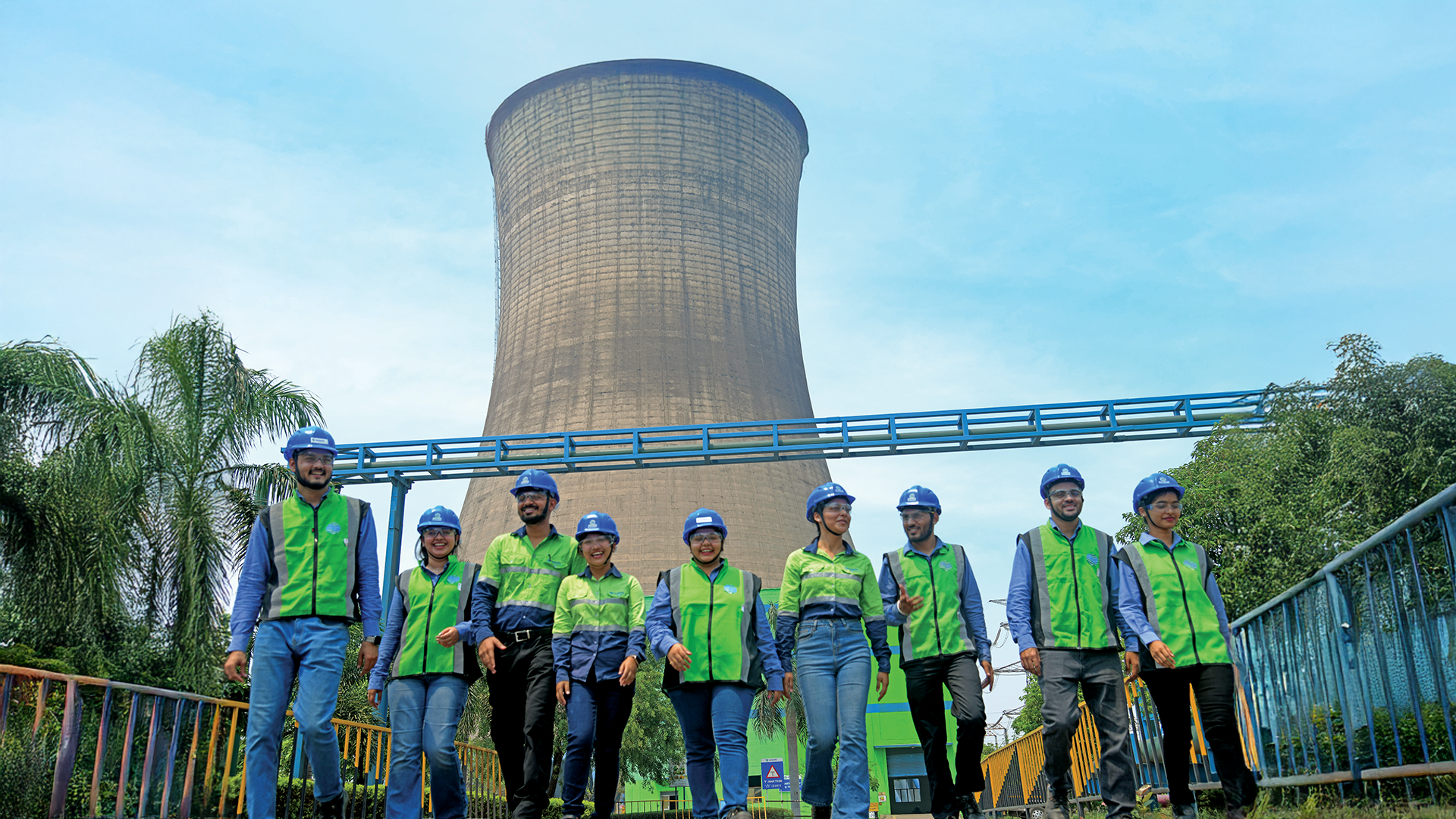
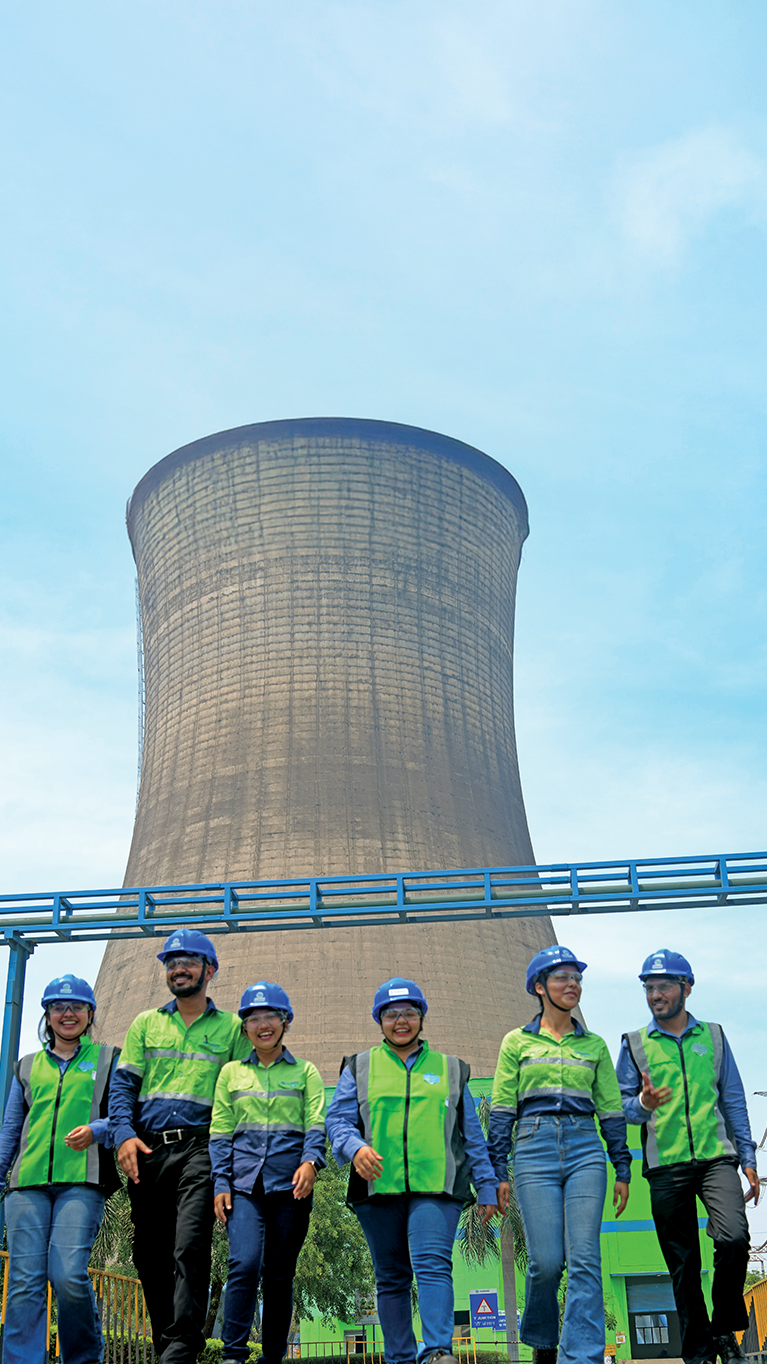
Our people are the foundation of everything we build. As one of India’s largest employers, we operate across mining, smelting, refining, and energy in some of the country’s most economically significant regions. The quality of our workplace, including its safety, inclusivity, and the opportunities it provides, is intrinsically linked to the overall strength and performance of our business.
We are committed to providing a safe and inclusive environment where every employee can realise their full potential, regardless of background. This principle informs how we design policies, build systems, and hold leadership accountable, embedding a People-First approach across the organisation.
Safety remains fundamental. Given the inherent risks in our operations, a zero-fatality ambition drives rigorous systems, training, and oversight, supported by the growing use of technology to proactively identify and mitigate risks.
The three Aims in this pillar: safety and health, gender parity and inclusion, and corporate governance, reflect our understanding that a strong, resilient business requires a workforce that is protected, valued, and empowered, and a governance architecture that holds leadership accountable for delivering on that commitment.
0.44
LTIFR
100%
Workforce trained on Health and Safety parameters
45
Transgender employees
23%
Gender diversity
13.7%
Retention rate
Strengthen workplace health, safety and well-being by embedding robust systems, proactive risk management practices and a strong safety culture across all operations.
Health, Safety and Well-being
Ensuring a safe and healthy work environment through stringent safety protocols, preventive measures, employee well-being initiatives and continuous awareness and training programmes
 Decent Work
and Economic Growth
Decent Work
and Economic Growth
In mining and metals operations, safety is not a compliance requirement; it is the clearest reflection of how we value our people. Our Zero Harm vision serves as the guiding principle for how we design systems, structure governance, invest in technology, and build capability across the organisation.
Our operations carry inherent risks that require the highest level of safety discipline. Every fatality is preventable, and every serious incident reflects a failure of the system that allowed it to occur. This conviction drives our safety architecture, from the Board ESG Committee to the individual site safety officer.
Our framework is anchored in Critical Risk Management, which systematically addresses key operational risks through defined protocols and accountability mechanisms. When incidents occur, the Incident Cause Analysis Method (ICAM) drives structured investigation: identifying root causes rather than surface-level explanations and implementing targeted corrective actions to prevent recurrence. The Safety Community of Practice oversees implementation across all sites, with performance independently audited through VSAP and aligned with ISO 45001, OHSAS 18001, and International Council on Mining and Metals (ICMM) principles, reinforcing adherence to global best practices.
We have identified three critical focus areas to strengthen safety performance and prevent serious incidents across our operations.
Three critical focus areas to enhance safety and prevent fatal injuries
ICMM 9-step risk-based methodology
Securing the working environment for all staff
Cornerstone of Vedanta’s commitment to safety and skill development
Learning from incidents is as important as preventing them. Vedanta adopts the Incident Cause Analysis Method (ICAM) as its standard framework for investigating health and safety incidents across all operations. ICAM is a structured methodology that goes beyond surface-level explanations to systematically identify the underlying and root causes of an incident examining individual actions, team and supervisory factors, work environment conditions, and organisational systems that contributed to the event.
Where a conventional investigation might conclude with an immediate cause, ICAM goes deeper: uncovering the latent organisational conditions that enabled the incident and prescribing corrective actions at every level of the causal chain. This enables Vedanta to refine safety protocols with precision, close systemic gaps before they produce further incidents, and embed learning permanently into operational practice rather than treating it as a post-incident formality.
Through ICAM, Vedanta reinforces its commitment to maintaining safety standards that meet and consistently exceed international benchmarks reflecting the organisation’s broader conviction that a safer operation is not only a more responsible one, but a more productive and sustainable one for all stakeholders.
Vedanta has made technology a Group-wide priority for identifying and eliminating risk at source, deploying digital tools, automation, and AI-driven systems across business units to reduce human exposure to hazardous conditions and strengthen real-time safety oversight.
Bharat Aluminium Company Limited was conferred with the CII Platinum Award for Digital Transformation in Safety at the 8th CII IQ National Safety Practice Competition in May 2025.
Safety extends beyond our operational boundaries and is embedded in how we engage with employees, business partners, and surrounding communities.
National Road Safety Month (January–February 2026) was observed across all business units of Vedanta, engaging employees, contractors, school students, and local communities in road safety awareness initiatives and spanning Rajasthan, Odisha, and other operational geographies.
HZL’s Mines Safety Week at Zawar brought together over 450 mines and 900 delegates, with a focus on occupational risks such as silicosis and heat stress.
Safety Stewards Programme at Jharsuguda develops frontline safety leaders through structured training on critical safety fundamentals, assessed through practical and behavioural evaluations.
The Power Safety Circle Conclave enables cross-site learning and the sharing of safety innovations across business units.
Suraksha Sankalp programme and AAINA safety checkpoints at Lanjigarh drive behavioural change and reinforce personal accountability.
Our commitment to workforce well-being extends across both physical and mental health. Mantra Care, Vedanta’s comprehensive employee wellness programme, provides 24/7 access to mental health counselling, therapy, and meditation, alongside resources for physical health and financial well-being through a dedicated platform. On-site engagement by psychologists, dieticians, and wellness experts complements personalised support for employees and their families.
The VLL Mental Health Programme further integrates psychological well-being into the occupational health framework through preventive medical examinations, structured awareness initiatives, and targeted health interventions. This reflects our recognition that a safe workforce is not only protected from physical harm but also supported in maintaining mental and emotional well-being.
Implementing health and safety standards and protocols aligned with ICMM and ISO 45001 / OHSAS 18001
Embedding safety frameworks into operational practices across sites
The Safety Community of Practice (CoP) governs this aim through the Vedanta Sustainability Assurance Programme (VSAP)
Strengthening governance through structured oversight and defined accountability mechanisms
Internal auditing of health and safety standards conducted through VSAP
Continuous monitoring to ensure compliance and drive performance improvement
The initiative reinforces Vedanta’s commitment to prioritising employee well-being by fostering a supportive and health-conscious work environment. By integrating mental health into workplace practices, the programme strengthens employee trust, enhances engagement, and contributes to a resilient and productive workforce.
The VLL Mental Health Programme focusses on promoting the psychological well-being of employees through structured health interventions and awareness initiatives. It integrates mental health into the broader occupational health framework by emphasising preventive care, early identification of concerns, and access to appropriate support systems.
Employee well-being extends beyond physical safety to include mental and emotional health, which are critical for overall productivity and workplace morale. In high-demand industrial environments, addressing mental health is essential to ensure a balanced, safe, and supportive workplace. The initiative reflects a proactive approach towards creating a culture where well-being is prioritised alongside operational performance.
The programme is being implemented through a combination of preventive medical examinations, awareness sessions, and structured support mechanisms for employees. It aims to ensure regular health check-ups while also sensitising the workforce to mental health issues and reducing associated stigma.
The initiative targets a defined milestone-based approach, with a focus on achieving 70% compliance in preventive medical examinations. Backed by an investment of approximately ₹ 6,00,000, the programme is being rolled out in a phased manner, integrating health assessments and well-being initiatives into routine workplace practices.
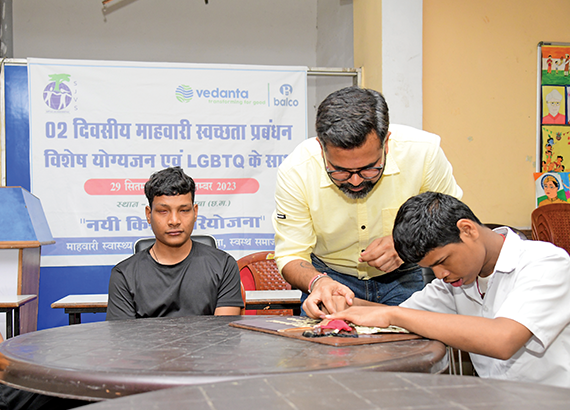
Foster an inclusive and equitable workplace by enabling equal opportunities and creating a supportive environment where individuals from diverse backgrounds can thrive.
Diversity, Equal Opportunity and Inclusion
Promoting a workplace culture that values diversity, ensures equal access to opportunities and supports inclusive practices across all levels of the organisation.
Decent Work
and Economic Growth
 Peace,
Justice and Strong Institutions
Peace,
Justice and Strong Institutions
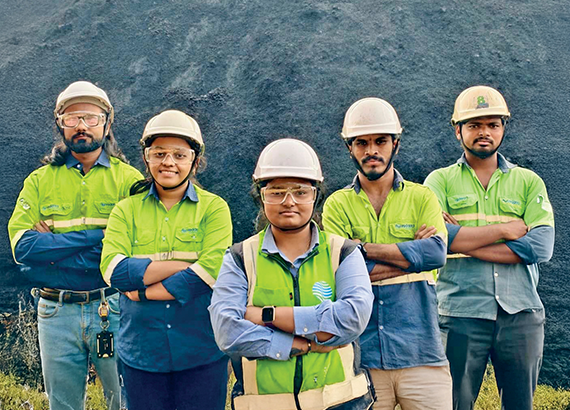
Diversity and inclusion at Vedanta are reflected in measurable progress across operations that have historically been among the most male-dominated in the industry. The true measure of this commitment lies not in policy intent, but in how effectively it is reflected in our mines, smelters, refineries, and oil and gas operations, where meaningful progress is being achieved.
Vedanta has taken a deliberate, Group-wide initiative to dismantle long-standing structural barriers limiting women’s participation in mining and metals operations. Following the removal of regulatory restrictions, Vedanta enabled women to work full night shifts across all major mines and smelters. This transition is supported by dedicated safety frameworks, infrastructure, and cultural change programmes rolled out across business units.
Within this broader commitment, individual businesses have driven specific milestones.
To build the future talent pipeline, Vedanta has launched targeted programmes across business units to attract women into technical and operational careers.
Collectively, these initiatives reflect a structured, Group-initiated approach to gender inclusion, with each business unit adapting execution to its own operational context, progressing towards Vedanta’s target of 30% women representation by 2030.
Our approach to inclusion extends beyond gender to embrace individuals from all identities and backgrounds. The Transgender Inclusion Policy provides support through gender reaffirmation leave and financial assistance for related medical procedures. Accessibility features like ramps, braille-enabled elevators, text-to-speech tools, and barrier-free facilities ensure meaningful participation across all sections of the workforce. The inclusion platform fosters awareness and empathy for LGBTQ+ individuals, persons with disabilities, and employees from underrepresented backgrounds through sensitisation sessions and leadership engagement.
Samanvay, our gender sensitisation programme, addresses unconscious biases and promotes inclusive behaviours within teams. Diversity intelligence workshops strengthen alignment at employee and leadership levels. Progressive workplace policies like spouse hiring, one-year childcare sabbatical, No-Questions-Asked work from home flexibility, mental and physical health leaves, and monthly discretionary leaves for women, ensure that policies enable rather than constrain careers.
Diversity Councils across business units oversee implementation, track progress, and hold leadership accountable for advancing inclusion priorities. Our targets of 30% women representation in the FTE workforce and 40% in leadership roles by FY 2029-30, alongside the Group’s aspiration of 35% overall representation, provide clear direction and accountability.
Implementing anti-discriminatory hiring practices across all operations
Ensuring adherence to the Code of Conduct policy across all business units
Embedding inclusive practices into recruitment and workplace policies
The Diversity & Inclusion Council drives governance and strategic direction for D&I initiatives
Strengthening accountability through leadership oversight and cross-functional alignment
Embedding inclusive practices into recruitment and workplace policies
Addressing grievances and complaints through structured mechanisms
Implementing policies for incident investigation and defined disciplinary actions
Monitoring workplace conduct and ensuring timely resolution of concerns
The deployment of Vedanta Group’s first all-women locomotive engine team at the Jharsuguda aluminium smelter, marking a significant milestone in its inclusion agenda. By placing women at the helm of one of the plant’s most critical logistical operations, Vedanta Aluminium has demonstrated that the commitment to gender equity extends to every function, including those that have historically been the most resistant to change. This initiative strengthens Vedanta’s reputation as an employer of choice in the manufacturing sector, reinforces the Group’s target of 30% women workforce representation by FY 2029-30, and builds the cultural credibility that attracts and retains diverse talent across all operations.
Vedanta Aluminium has deployed a dedicated all-women team to manage the locomotive engine responsible for the internal movement of raw materials at its world-class aluminium smelter in Jharsuguda, Vedanta Group’s largest aluminium plant. The team comprises four loco drivers operating in shifts, one gatewoman, and two support staff, collectively responsible for the efficient and safe operation and maintenance of this critical logistics asset.
This initiative is part of a broader, structured effort to open all operational roles to women across the plant. It follows a series of industry-first interventions at Jharsuguda, the launch of ‘Shree Shakti’, through which 108 women have taken on key operational roles during night shifts (a first in Odisha’s industrial landscape), and the inauguration of the Indian aluminium industry’s first all-women managed potline. The potline, a critical part of the aluminium production process, is being operationalised in three phases with more than 100 women selected through internal job postings and upskilled through specialised training programmes.
The locomotive engine function sits at the core of plant logistics, without it, the movement of raw materials that feeds the entire smelting operation would stop. Placing women in charge of this function is a deliberate operational decision that reflects Vedanta Aluminium’s conviction in gender-agnostic roles. In a country where women remain significantly underrepresented in mining, metals, and manufacturing, initiatives like this reshape what is perceived as possible for the women who take on these roles, for the colleagues who work alongside them, and for the next generation of women considering industrial careers. Vedanta Aluminium’s approach also directly addresses a structural talent constraint: expanding the recruitment pool to include the full workforce, not half of it, produces stronger operational outcomes and greater organisational resilience.
The initiative was designed within Vedanta Aluminium’s broader gender inclusion framework, which treats all roles as gender-agnostic from the point of job design. Implementation involved targeted identification of women candidates through internal processes, followed by specialised technical training to equip the team with the skills required for locomotive operation and maintenance at an industrial scale. The deployment is supported by the physical and cultural infrastructure that Vedanta Aluminium has progressively put in place at Jharsuguda, including dedicated facilities for women working night shifts, safety protocols tailored to diverse workforce needs, and leadership engagement that reinforces inclusion as an operational priority rather than a separate HR initiative.
Strengthen governance frameworks by integrating global best practices into decision-making, while fostering a fair, transparent and inclusive work environment that upholds ethical conduct and accountability across the organisation.
Business Ethics and Corporate Governance
Strengthening ethical business practices through robust policies, transparent disclosures and strong governance mechanisms that guide responsible decision-making across operations.
Risk Management & Controls
Enhancing risk identification, assessment and mitigation processes through structured internal controls and monitoring systems, ensuring resilience, regulatory compliance and effective management of emerging ESG risks.
 Gender
Equality
Decent Work
and Economic Growth
Peace,
Justice and Strong Institutions
Gender
Equality
Decent Work
and Economic Growth
Peace,
Justice and Strong Institutions
Vedanta places strong emphasis on transparency and responsible disclosure as core pillars of effective ESG governance. The company continuously monitors the evolving global landscape of corporate governance standards, particularly in the ESG domain, incorporating insights from national and international regulations, industry frameworks, investor expectations, and peer benchmarking. These insights inform enhancements to internal policies and practices, which are implemented following Board approval. Vedanta also actively evaluates emerging expectations around ESG-linked performance management and compensation and has integrated climate-related parameters into the evaluation criteria of its Long-Term Incentive Programmes, strengthening accountability and alignment with sustainability priorities.
The company continues to strengthen its internal governance and monitoring mechanisms in response to evolving standards and stakeholder expectations. This includes periodic refinement of the Vedanta Sustainability Assurance Process (VSAP), which supports robust oversight of ESG performance across business units and ensures that sustainability practices are systematically embedded into operations.
Transparency and information sharing remain central to stakeholder engagement. Vedanta publishes a comprehensive suite of ESG disclosures, including the Annual Integrated Report, Sustainability Report, TCFD Climate Report, and Business Responsibility and Sustainability Report (BRSR). These disclosures are aligned with internationally recognised frameworks such as the Global Reporting Initiative (GRI), Task Force on Climate-related Financial Disclosures (TCFD), and the Integrated Reporting Framework, ensuring consistency, credibility, and comparability. The publication of Vedanta’s 18th Sustainability Report reflects sustained progress in integrating sustainability into business strategy and governance.
The strength of these disclosures, combined with continuous improvements in governance practices and ESG performance, has led to upgraded ratings from multiple independent agencies. These external assessments provide stakeholders with an objective view of the company’s progress and reinforce Vedanta’s commitment to aligning with evolving global ESG expectations.
Vedanta Group Companies included in S&P Global Sustainability Yearbook 2026 third year in a row
HZL ranked 1st among 251 global companies; Vedanta aluminium ranked 2nd

| Agency | FY 2021-22 | FY 2022-23 | FY 2023-24 | FY 2024-25 | FY 2025-26 | |
|---|---|---|---|---|---|---|
 |
MSCI | BB | BB | BB | BB | BB |
 |
Sustainalytics | 39.6 | 38.9 | 37.9 | 37.6 | 36.6 |
 |
CDP Climate | B | B | B | B | B |
| CDP Water | - | B | A- | B | A- | |
| CDP Supply Chain | A- | |||||
Implementing anti-discriminatory hiring practices across all operations
Ensuring adherence to the Code of Conduct policy across all business units
Embedding inclusive practices into recruitment and workplace policies
The Diversity & Inclusion Council drives governance and strategic direction for D&I initiatives
Strengthening accountability through leadership oversight and cross-functional alignment
Embedding inclusive practices into recruitment and workplace policies
Addressing grievances and complaints through structured mechanisms
Implementing policies for incident investigation and defined disciplinary actions through 4 Statutory Committees:
Monitoring workplace conduct and ensuring timely resolution of concerns


