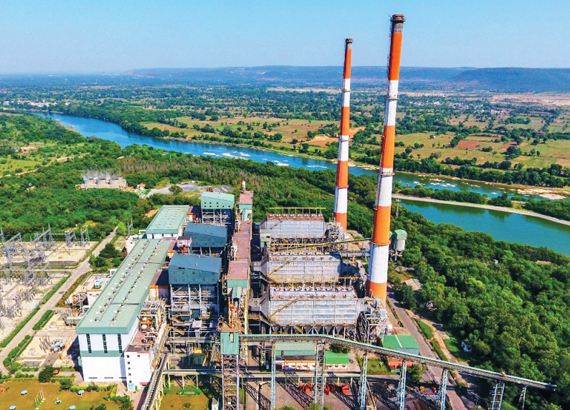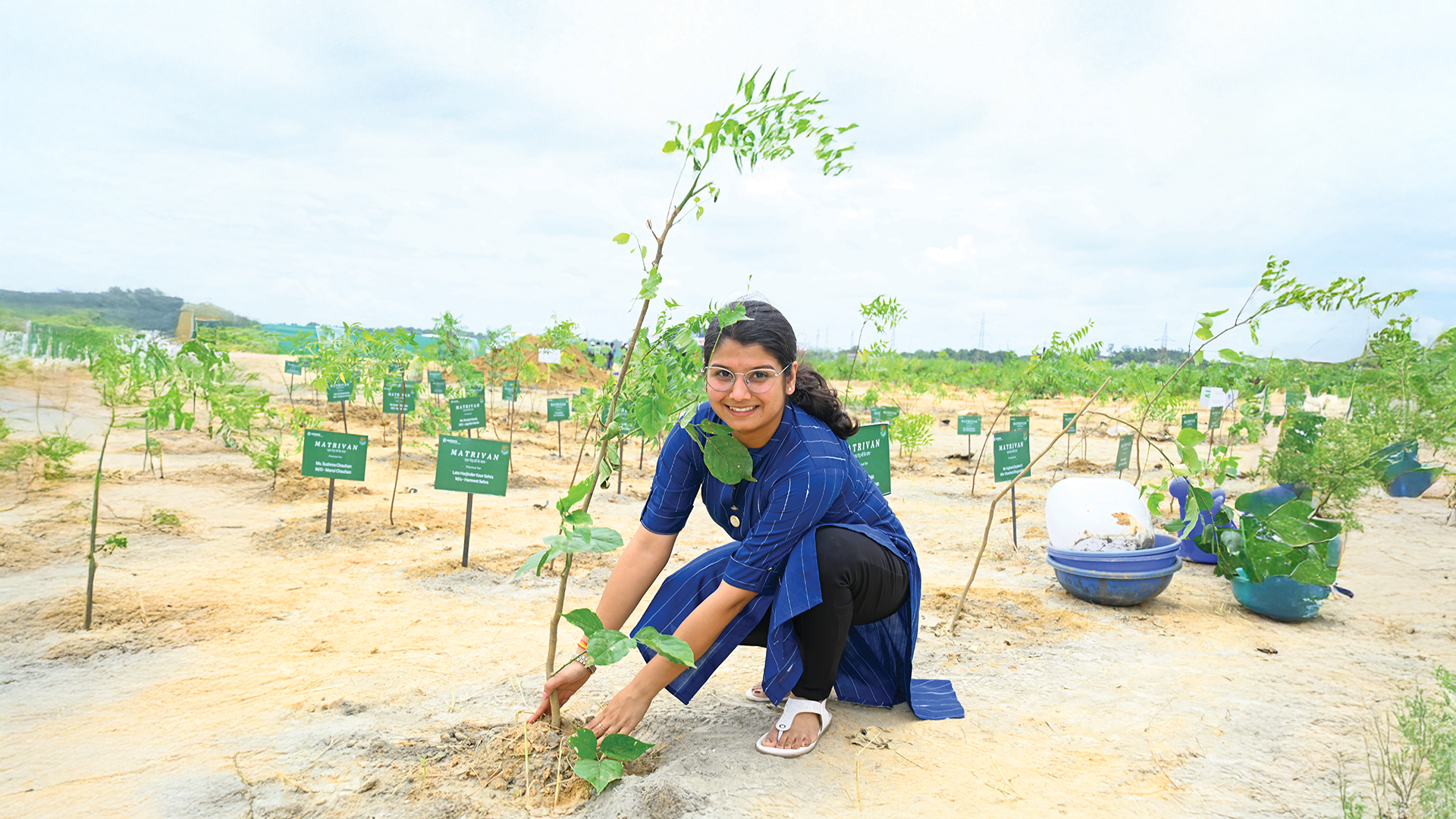

The scale of what we do and the environmental footprint it carries are not things we describe in the abstract. It is the operational reality from which our environmental commitments are built, and it is the reason those commitments must be specific, time-bound, and backed by capital rather than language. The metals we produce are essential to the global clean energy transition: aluminium for electric vehicles and solar panels, zinc for galvanised infrastructure, copper for transmission networks, and silver for solar technologies. This creates a fundamental tension; industries that supply materials for a greener economy must also decarbonise, conserve water, and manage waste responsibly. We address this challenge directly through clearly defined targets, committed capital, and the operational programmes.
We are committed to net zero carbon emissions (Scope 1 and Scope 2) by 2050 or sooner, with 1.9 GW of installed renewable energy capacity. Power Delivery Agreements are already in place, 28 million tonnes of carbon mitigated over the last five years, and US$ 5 billion committed to the transition.
We are pursuing net water positivity by 2030, a commitment that carries particular urgency given that our Rajasthan operations draw from some of India’s most water-stressed catchments. Our water positivity index currently stands at 0.63, with three business units already achieving water-positive status.
We are embedding circular and resource-efficient practices across our operations, including the establishment of India’s first dry tailings plant at Zawar, the planting of 2.9 million trees since 2021, and the commissioning of India’s first fumer plant to enhance silver recovery.
We demonstrate a disciplined, transparent, and investment-led approach, aligned with the scale of the challenge. These are the foundations on which Aims 4, 5, and 6 are built, each one a specific, time-bound commitment that translates our environmental ambition into accountable action across every business unit and operational site.
GHG emissions intensity (tCO2e/MT) reduced by
~14%
from the FY 2020-21 baseline
Capital allocated for net-zero transition
US$ 1 billion
till FY 2025-26
Renewable energy consumption:
18.9 million GJ
Water positivity ratio
0.64
Water recycled and reused
38%
HVLT utilisation
98%
Ash utilisation
101%
Sites with biodiversity impact assessments conducted
46
Drive decarbonisation across Scope 1 and 2 emissions through a structured and proactive approach to climate change mitigation, energy transition, and sustainable operations.
Climate Change and Energy Transition
Reducing greenhouse gas emissions by adopting low-carbon technologies, improving energy efficiency, transitioning to renewable energy sources, and embedding sustainable practices across operations.
 Affordable and Clean Energy
 Responsible Consumption and Production
 Climate Action
As India races to become one of the world’s fastest-growing major economies, our growth will have to be low-carbon driven. As the country’s premier metals and mining company, with a portfolio of nine transition metals that will play a significant role in India’s green transition, we are committed to driving a low-carbon growth responsibly and by example. Our strategic pathway is aligned with India’s Panchamrit commitments announced at COP26, including the ambitious national goals of reaching 500 GW of non-fossil energy capacity by 2030 and achieving net zero emissions by 2070. By aligning our near-term actions with these national objectives, we are contributing meaningfully to India’s broader climate goals and the transition to a sustainable future.
Our Net Zero ambition reflects a clear responsibility: to lower the carbon footprint of our operations while continuing to supply the materials that power the energy transition. We pursue this through a structured, four-phase roadmap spanning FY 2021-25, FY 2021-30, FY 2026-30, and Beyond 2030, supported by US$ 5 billion of allocated capital to drive delivery at scale. Each of this phase is advancing our decarbonisation agenda through four levers:
Each of these levers is already operational, with defined milestones for every phase.
Renewable energy is our primary and most consequential decarbonisation lever. We have signed 1.03 GW of round-the-clock (RE-RTC) renewable energy power delivery agreements (PDAs), with construction currently underway and partial commissioning achieved on some projects. We remain on track to achieve 2.5 GW of round-the-clock equivalent non-fossil fuel-based electricity by FY 2029-30.
In FY 2025-26, we utilised more than 3.80 billion units of clean energy from renewable electricity and Waste Heat Recovery Boiler across our operations, achieving a ~14% reduction in emissions intensity (tCO2e/MT) against our FY 2020-21 baseline, proof that the investment is translating into measured outcomes, not just stated ambition.
Fuel switching is already delivering tangible results at scale. At TSPL, we have utilised approximately 0.36 million tonnes of biomass pellets to replace around 5% of coal consumption in our thermal power operations. This intervention not only supports a meaningful shift away from fossil fuels but also delivers strong co-benefits, most notably helping address the regional stubble burning challenge by creating a viable end-use for agricultural residue.
Targeted fuel substitution initiative has enabled the mitigation of approximately 0.4-0.5 million tonnes of CO2 emissions, driving decarbonisation, air quality improvement, and shared value creation across the energy–agriculture nexus.
Continuous process optimisation, digital interventions, and the adoption of best-available technologies are driving measurable improvements in energy consumption and emissions intensity across our smelting, refining, and extraction operations. Each percentage-point reduction in specific energy consumption across our aluminium, zinc, and copper businesses translates into meaningful reductions in emissions intensity at the scale at which we operate.
Our aluminium operations at Lanjigarh and Jharsuguda were recognised at the 26th National Award for Excellence in Energy Management 2025 and the CII SHE Awards 2025, externally validating the operational rigour behind our efficiency agenda.
To reinforce capital discipline, we have implemented an Internal Carbon Price (ICP) of US$ 15 per mtCO2e, applied to all projects with budgets exceeding ₹ 50 million. This shadow price serves as an active decision-making mechanism, directing investments towards lower-carbon project alternatives.
We are also assessing value chain emissions across 12 of the 15 GHG Protocol categories, progressively expanding visibility into our supply chain footprint.
Climate-related performance is embedded within our long-term incentive plans, delivered through the Employee Stock Option Scheme, ensuring that the executives leading this transition are directly accountable for its delivery and pace.
This is complemented by strengthened governance, including ESG-linked performance metrics (for more details, refer to the Climate Action Report FY 2025-26), ensuring accountability and alignment across the organisation as we advance towards our net-zero ambition.
Our decarbonisation commitment extends beyond our own operations through our low carbon products, designed to support customers in decarbonising their own supply chains while offering a clear, measurable sustainability advantage. At the same time, they position Vedanta at the premium end of a market poised for sustained growth, as carbon pricing mechanisms tighten and supply chain disclosure requirements become increasingly stringent worldwide.
Vedanta recognises hydrogen as a potential long-term lever for deep decarbonisation in energy-intensive operations. However, given the current state of the hydrogen economy, where infrastructure, supply chains, and cost structures remain at an early stage of maturity, work on the hydrogen transition has been paused while we monitor how the ecosystem evolves. This reflects our recognition that deep decarbonisation in energy-intensive industries will ultimately require solutions beyond renewable electricity alone.
We will revisit our hydrogen pathway as the economics and enabling infrastructure develop to a point where meaningful, scalable adoption becomes viable across our operations.
Preparing the business for a structured transition to clean energy and low-carbon operations.
Scaling the adoption of renewable energy and improving process efficiency across operations.
Integrating climate considerations into both operational and strategic decision-making.
Supporting the long-term goal of achieving Net Zero by 2050 or sooner
The Board ESG Committee provides strategic oversight of climate-related priorities and performance.
The Group Executive Committee ensures alignment between strategy, capital allocation, and execution.
The HSES Management Committee oversees the implementation of decarbonisation initiatives across operations.
Fostering cross-functional collaboration to ensure alignment of sustainability goals with business priorities
Regular tracking of key performance indicators, including total GHG emissions, emissions intensity, and renewable energy consumption.
Conducting a bottom-up assessment of physical and transition climate risks across business units.
Utilising structured tools and frameworks to strengthen long-term resilience.
Conducting independent annual assurance under the Vedanta Sustainability Assurance Process (VSAP), which covers ESG KPIs.
Vedanta Aluminium’s in-house-developed Forced Cooling Network (FCN), built on 3D Computational Fluid Dynamics (CFD) modelling, delivers precise sidewall temperature control across aluminium reduction cells at Jharsuguda — enabling stable, high-amperage operations and lower GHG emissions. Recognised with a Certificate of Merit at the National Energy Conservation Awards 2025, it sets a new benchmark for sustainable aluminium smelting in India.
The FCN replaces conventional compressed-air cooling with a CFD-optimised system that uses digital replicas of pot structures, cooling ducts, and airflow pathways. It prevents overheating, maintains protective ledge layers, and supports stable high-current operations, reducing energy loss and enhancing overall potline reliability.
Increasing production volumes and higher operating currents demand better thermal management. Conventional cooling systems cause pressure drops and process disruptions, directly undermining efficiency and reliability in one of the world’s most energy-intensive industries. The FCN eliminates these structural inefficiencies through digital precision engineering, making potline cooling a scalable lever for industrial decarbonisation.
Developed entirely in-house, CFD simulations optimise heat dissipation before physical deployment. Commenced on 16 July 2025 with a capital investment of ₹ 13.95 crore per potline, the FCN is being deployed in a phased approach with gradual integration into existing potroom infrastructure. Commissioned on a section of a potline at Jharsuguda, the initiative is currently 25% complete, with full impact realisation targeted by 16 July 2026. Continuous monitoring of shell temperatures ensures optimal balance throughout integration, with scale-up across the full potline to follow.
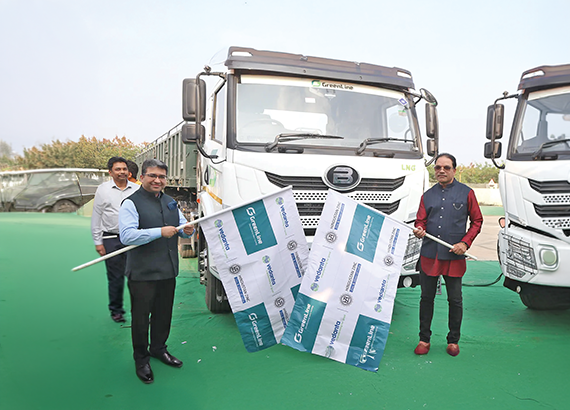
Deepening the strategic partnership with GreenLine Mobility to deploy electric and LNG trucks at scale accelerates Hindustan Zinc’s supply chain decarbonisation, directly reducing Scope 3 emissions across logistics. The ₹ 400 crore investment by GreenLine demonstrates the commercial viability of clean freight at an industrial scale, advancing Vedanta’s net zero trajectory while reinforcing its position as a sustainability leader in the global metals and mining sector.
The initiative deploys 100 electric trucks for inter-unit concentrate movement between mines and smelters, supported by India’s first commercial-scale battery-swapping infrastructure with three high-capacity stations for 24×7 operations, alongside 100 new LNG trucks that double Hindustan Zinc’s existing LNG fleet to 200 vehicles for long-haul finished-goods transport.
Supply chain logistics remain a significant source of Scope 3 emissions in mining and metals operations. Transitioning to electric and LNG freight at this scale directly addresses long-haul and inter-unit carbon intensity, while battery swapping infrastructure eliminates the downtime constraints of conventional EV charging, making clean logistics operationally viable and commercially scalable for heavy industrial use.
Formalised on 4 August 2025, the expanded partnership with GreenLine Mobility Solutions Ltd. (an Essar venture) involves deploying 100 electric trucks, manufactured by Blue Energy Motors, to replace diesel trucks for transporting concentrated materials between Hindustan Zinc’s mines and smelters. Three high-capacity battery swapping stations have been established to enable continuous 24×7 operations. Simultaneously, 100 new LNG trucks have been added, doubling the fleet to 200 vehicles for long-haul transport of finished goods, significantly reducing emissions on long-distance routes.
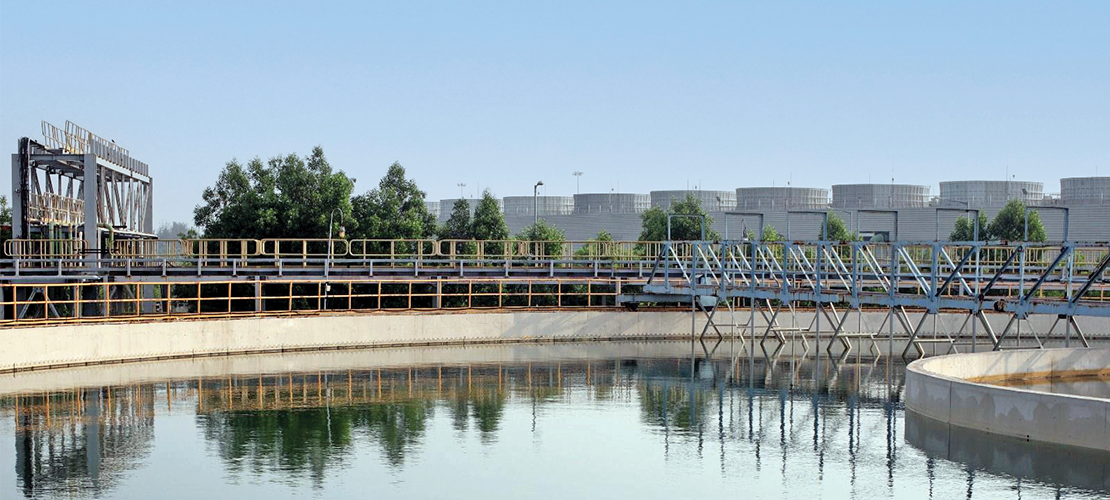
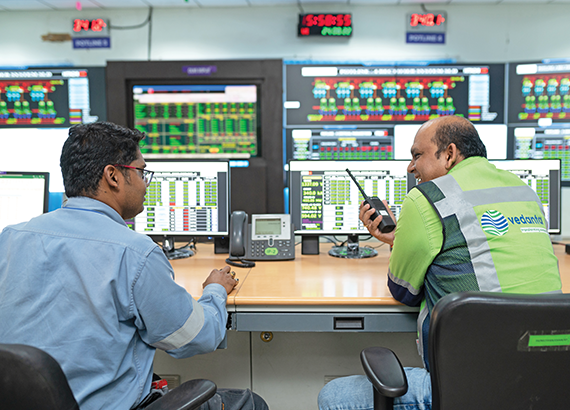
Drive water positivity across operations by 2030 through sustainable water management and conservation practices.
Water and Wastewater Management
Enhancing water use efficiency, implementing wastewater treatment and recycling systems, and promoting sustainable water management practices across operations.
 Clean Water and Sanitation
Water is one of the most critical resources shaping the future of both industry and communities. Notably, 81.8% of our business units operate in high water-stress regions, particularly in Rajasthan, where our zinc, lead, and silver businesses draw from catchments under sustained climatic and demand pressure. Responsible management is fundamental to our operational resilience and long-term sustainability. We recognise water as a shared resource, and our approach reflects this principle.
For communities in Bhilwara, Jharsuguda, and the Barmer basin, water underpins livelihoods, food security, and daily life. Our operations draw from the same catchments, making it essential that our presence strengthens, rather than strains, local water systems. These realities make our target of achieving net water positivity (greater than 1) by 2030 not aspirational, but essential.
0.64
Current water positivity index
3.32
Certified water positivity score for Hindustan Zinc Limited, operating in one of the most water-stressed regions
~90 million kL
Of wastewater recycled across operations (equivalent to the annual water needs of ~4,20,000 Indian households)
The gap between our current water positivity index of 0.64 and our target of exceeding 1 by 2030 is being addressed through a structured roadmap under this Aim. This transition is driven by a comprehensive portfolio of infrastructure investments, technological solutions, and community-based interventions implemented concurrently across our geographies.
Our approach balances operational requirements with environmental responsibility, guided by four principles ‘Harvest, Replenish, Reuse, and Recycle’ ensuring that water is managed as a finite and shared resource.
We continuously monitor our water use and implement improvement measures that focus on:
Restoration of 67 community ponds in FY 2025-26
3 Ground Water recharge projects in FY 2025-26
Our water stewardship approach is aligned with the Alliance for Water Stewardship and contributes to SDG 6: Clean Water and Sanitation, with a continued focus on strengthening water security across our operational landscapes.
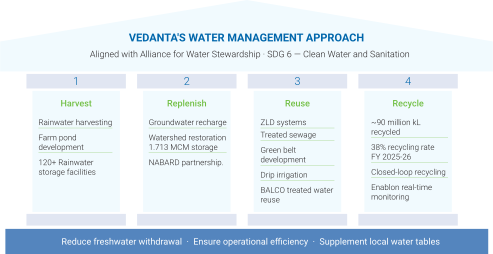
Our water stewardship extends beyond our operational boundaries to enhance water security at the community and ecosystem level. We actively collaborate with local communities to restore water bodies, develop farm ponds, harvest rainwater, and recharge groundwater, particularly in water-stressed regions of Rajasthan and Odisha. These interventions improve water availability, support agricultural productivity, and enhance livelihoods in communities that share the catchments our operations depend on.
In Rajasthan’s Bhilwara district, our Rampura Agucha groundwater recharge project selected 84 village ponds across Hurda, Shahpura, Jahazpur, and Kotri blocks, desilted them, strengthened embankments, and installed 358 recharge shafts, pits, and filter media. The initiative created 8.7 million cubic metres per annum of groundwater recharge potential, directly benefiting 70,000 to 75,000 residents through improved water levels, better crop yields, and reliable water for homes and farms.
In Jharsuguda, Odisha, Vedanta Aluminium’s Jeevika Samridhhi Project supports farmers with solar-powered borewells, enabling year-round irrigation and improved crop cultivation.
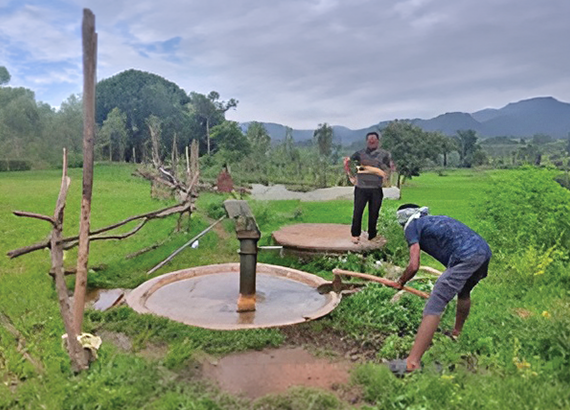
In Barmer, Rajasthan, Cairn Oil and Gas’s Jeevan Amrit Project has installed 124 Reverse Osmosis plants providing safe drinking water to rural families in one of India’s most arid districts.
An internal water pricing mechanism has been adopted across our operations to strengthen accountability for water consumption at the business unit level and incentivise efficiency investment in the same way our Internal Carbon Price drives decarbonisation.
Clear pathway to achieve Net Water Positivity (ratio >1) by 2030 through a phased and disciplined approach
Integration of water stewardship into operational planning and long-term business strategy
Regular basin-level and site-specific risk assessments to inform decision-making in water-stressed regions
Reducing freshwater dependency while increasing recycling and recharge interventions
Board ESG Committee provides strategic oversight on water stewardship priorities and performance
Water Community of Practice (CoP) drives cross-business execution and knowledge-sharing
Group-level water policy under the Vedanta Sustainability Framework guides governance and implementation
Strong alignment between BUs to ensure consistent execution of the water positivity roadmap
Continuous tracking of key metrics, including freshwater consumption, water recycling rate and water credit
Monthly reviews at CoP and HSES Executive Committee (ExCo) level to track progress and drive accountability
Half-yearly reviews by the ESG Board Committee to assess strategic alignment and performance
Independent annual VSAP assurance covering all water-related ESG KPI
This initiative strengthens water security across operations, reduces reliance on freshwater, and reinforces disciplined water management practices in areas sensitive to water scarcity.
The project implements Zero Liquid Discharge (ZLD) systems to eliminate liquid waste discharge while maximising water recovery and reuse within operations.
Given that operations are in water-constrained regions, minimising freshwater intake and preventing wastewater discharge are critical for ensuring long-term operational stability and responsible resource use.
Hindustan Zinc Limited (HZL) has adopted the ZLD principle across all operational sites in a phased approach. In FY 2023-24 and FY 2024-25, HZL commissioned Phase 1 ZLD plants at Rampura Agucha Mine and Zawar Mines, with a combined capacity of 4,000 KLD. The system integrates Effluent Treatment Plants, Reverse Osmosis, Multiple Effect Evaporators, and Mechanical Vapour Recompression, cutting-edge technologies that collectively deliver an internal recycling capacity of 31,300 KLD across facilities.
Drive transformation of operations through the adoption of sustainable and innovative practices, focussing on circularity, waste reduction, and responsible resource management to create long-term environmental and business value.
Circularity and Waste Management
Promoting reuse, recycling, and circular economy principles to minimise waste and reduce resource extraction.
Tailings Management
Strengthening systems to ensure safe handling, storage, and reuse of tailings, minimising environmental and operational risks.
Materials Management
Improving material efficiency, ensuring ethical sourcing, and optimising resource use throughout the value chain.
Air Emissions and Quality
Monitoring and minimising air pollutants to protect community and worker health.
Biodiversity and Ecosystems
Protecting and restoring natural habitat to minimise land disturbance and support ecosystem resilience.
Responsible Consumption and Production
 Life on Land
The metals and mining sector carries a unique environmental obligation, not just to reduce what it extracts from the earth, but also to manage the resulting impacts with discipline and accountability. Every tonne of metal we produce generates by-products that must be handled responsibly, emissions that must be monitored and minimised, tailings that must be stored safely, and land whose biodiversity must be protected and restored. Aim 6 addresses all these dimensions through continuous improvement, innovation, and governance that holds us accountable at every level.
Advanced monitoring systems ensure the safety and integrity of tailings facilities, while biodiversity is safeguarded through a “Do No Harm” approach aligned with global standards to minimise environmental impact. This is reinforced by our Resource Use and Waste Management Technical Standard, which prioritises reduction and avoidance at source, followed by recovery and recycling, with disposal treated strictly as a last resort. Together, these measures support our long-term ambition of achieving 100% utilisation of hazardous and high-volume, low-toxicity waste by 2035.
These efforts are managed as part of an integrated system rather than isolated initiatives. Advancing circularity in waste streams improves resource efficiency and supports cost optimisation. Robust tailings management safeguards operational continuity and mitigates risk. Investments in biodiversity protection and restoration contribute to stronger community relationships and long-term site viability. Together, these actions reflect a cohesive approach to environmental management, where operational performance and responsible practices are closely aligned.
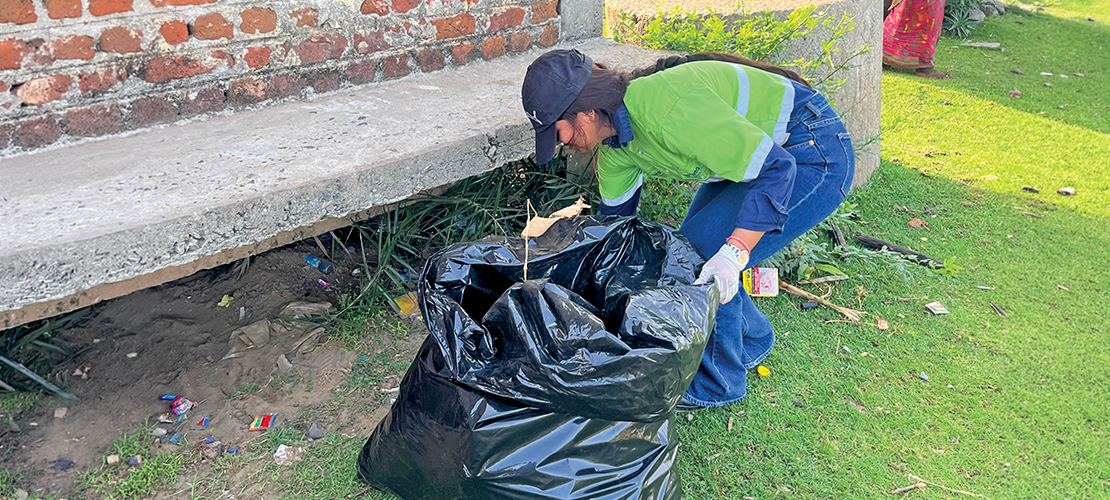
Vedanta has established a Group-wide Waste to Wealth programme that converts industrial by-products into commercially viable resources, advancing circularity across all operations. The programme is built on the principle that waste generated at one point in the value chain is a resource for another, and Vedanta’s scale creates the opportunity to demonstrate that principle at a national level.
Since March 2022, Vedanta Aluminium has redirected over 1.5 million tonnes of fly ash to cement manufacturers, 3 million tonnes to National Highways Authority of India highway projects, and 0.3 million tonnes to MSME brick manufacturers in Odisha and Chhattisgarh. At Lanjigarh, more than 90% of fly ash generated is utilised by local entrepreneurs, supporting regional enterprise development.
In FY 2025-26, Vedanta achieved 101% ash utilisation across thermal power operations. Through partnerships with NHAI, CSIR, and IIT Kharagpur, Vedanta is exploring high-volume, low-toxicity waste as a sustainable road construction material, integrating circularity directly into national infrastructure development.
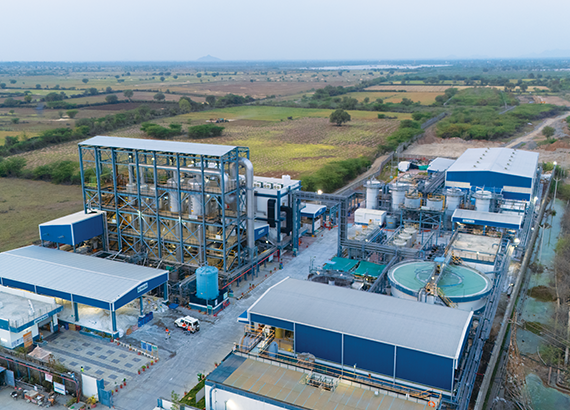
Vedanta has invested in advanced metallurgical recovery technologies across its smelting operations to close material loops on residues previously treated as process waste. At Hindustan Zinc’s Chanderiya smelter, the Zinc Fumer Plant recovers zinc, lead, and silver directly from jarosite residues using high-temperature fuming technology, with the remaining slag fully utilised by the cement industry, achieving near-zero waste from this stream. The plant recovers approximately 3,000 MT of zinc, 4,700 MT of lead, and 33 MT of silver annually, while reducing jarosite by approximately 40,000 MT and saving approximately 4 hectares of landfill per year. Jarosite is further stabilised into Jarofix through lime and cement treatment, then supplied for use in road embankments, railway construction, and cement manufacturing.
Vedanta’s partnership with Runaya Green Tech has enabled the development of an Integrated Minor Metals Complex at Chanderiya, processing zinc and lead residues to recover minor and base metals using energy-efficient, low-emission technologies, and creating secondary raw material streams fully aligned with circular economy principles.
Hindustan Zinc Limited is developing a 10 MTPA Zinc Tailings Reprocessing Plant, designed to process approximately 86 million tonnes of legacy tailings. The project is expected to enable the recovery of over 860 kt of zinc, converting historical waste into a commercially viable resource while materially reducing long-term environmental liabilities.
At Vedanta Aluminium, a patented process has been developed to recover high-purity graphite from aluminium industry waste, a critical input for lithium-ion batteries, supporting India’s expanding electric mobility and energy storage sectors while reducing reliance on imported critical minerals.
India’s first fumer plant at the Dariba Smelting Complex strengthens the recovery of silver, zinc sulphate, and copper sulphate from smelting residues, further advancing circularity by closing loops on materials previously treated as process waste.
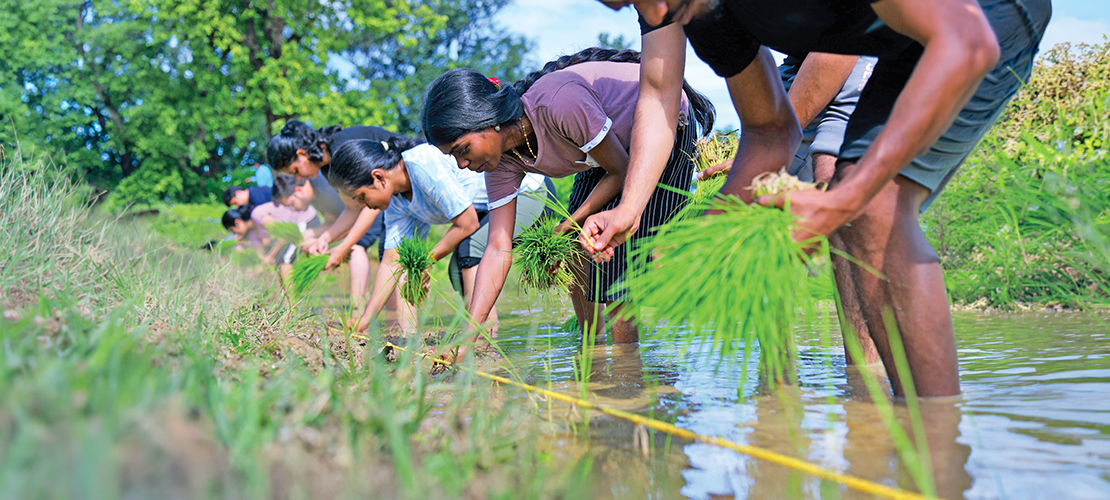
Tailings management is a priority across all our operations. Vedanta aligns its tailings governance with the Global Industry Standard on Tailings Management (GISTM), the most rigorous international benchmark for tailings facility design, operation, and closure, developed by the International Council on Mining and Metals (ICMM), the United Nations Environment Programme (UNEP), and the Principles for Responsible Investment (PRI). The GISTM establishes requirements across the full lifecycle of a tailings facility, from siting and design through to operation, monitoring, and long-term closure planning, with particular emphasis on protecting human life, minimising environmental impact, and ensuring transparent governance and community engagement.
We are strengthening practices at every tailings storage facility through better design standards, enhanced monitoring, and tighter governance, with all facilities audited, findings closed, and real-time monitoring in place. At Hindustan Zinc Limited, tailings and waste rock are repurposed as underground mine backfill, addressing both structural stability and waste reduction simultaneously.
We monitor air quality through Continuous Emissions Monitoring Systems and ambient monitoring stations across operations, enabling timely intervention and regulatory compliance. The Enablon ESG platform aggregates real-time data across all sustainability parameters, environmental, social, and governance, enabling consistent, data-driven accountability across the portfolio. Within air emissions management, the platform provides site-level monitoring of emissions performance, enabling timely intervention and continuous improvement across all operations.
We recognise that our responsibility to the land extends beyond our operational lifecycle. Across all business units, site-level biodiversity risk assessments using the Integrated Biodiversity Assessment Tool inform tailored management plans for ecologically sensitive locations. Hindustan Zinc Limited has developed Biodiversity Management Plans in collaboration with the International Union for Conservation of Nature (IUCN), anchored in a No Net Loss commitment and the mitigation hierarchy of avoid, minimise, restore, and offset.
Across the Group, over ~4 million trees have been planted since 2021 as part of the World Economic Forum Trillion Trees initiative.
Together, these efforts strengthen ecosystem resilience, support mine-closure readiness, and embed biodiversity stewardship in long-term land-use planning across Vedanta’s operational footprint.
Target 100% utilisation of hazardous and HVLT waste by 2035
Transition towards circular business practices through improved resource use and waste recovery
Alignment with global frameworks ICMM, IFC, IUCN across waste, tailings, and biodiversity
Board ESG Committee provides oversight on environmental performance and strategic direction
Biodiversity and Waste to Wealth CoPs drive implementation across businesses
Cross-functional coordination ensures consistent execution
Regular tracking of waste utilisation, air emissions, and biodiversity indicators
Monthly and periodic reviews at CoP and HSES ExCo levels to monitor progress
Independent annual VSAP assurance covering waste, emissions, and biodiversity KPIs
HZL’s tailings management programme addresses mining’s most significant long-term environmental liability while simultaneously converting legacy waste into recoverable resources. By deploying Dry Tailings technology, progressing India’s first Zinc Tailings Reprocessing Plant, and repurposing tailings as underground mine backfill, HZL demonstrates how advanced waste management can reduce environmental risk, eliminate historical liabilities, and generate economic value directly supporting Vedanta’s circular economy commitments and GISTM-aligned tailings governance.
The programme operates across three integrated interventions:
Legacy tailings carry persistent environmental risk and long-term financial liability. At the same time, they contain recoverable metals with significant economic value. HZL’s programme addresses both simultaneously reducing the structural risk of existing tailings facilities, eliminating ongoing wet deposition, and unlocking 860 kt of zinc from 86 million tonnes of historical waste. Responsible tailings management, at this scale, is not a compliance cost. It is a source of risk reduction, resource efficiency, and durable value creation.
Dry Tailings plants are operational at Zawar and Rajpura Dariba, with process water recovery running at over 80% and recycled directly into operations. Underground backfill is integrated into standard operating practice across HZL’s mines. The Zinc Tailings Reprocessing Plant is in advanced engineering, Board approval has been secured, 3D plant modelling and design optimisation are underway in collaboration with Sedgman and Fraser Alexander, and the immediate focus is on finalising critical equipment procurement and completing site mobilisation.
HZL’s Zinc Fumer Plant (ZFP) at Chanderiya enhances metal recovery while minimising waste, supporting the company’s sustainability and resource-efficiency goals.
The ZFP extracts valuable metals – zinc, lead, and silver, from jarosite residues that would otherwise be wasted and converts the remaining slag into material for the cement industry, achieving near zero waste.
Conventional zinc smelting results in significant metal losses and large volumes of hazardous waste. By recovering metals from residues, the ZFP reduces environmental impact, increases resource efficiency, and conserves landfill space.